

Quickly find an activity
for your group
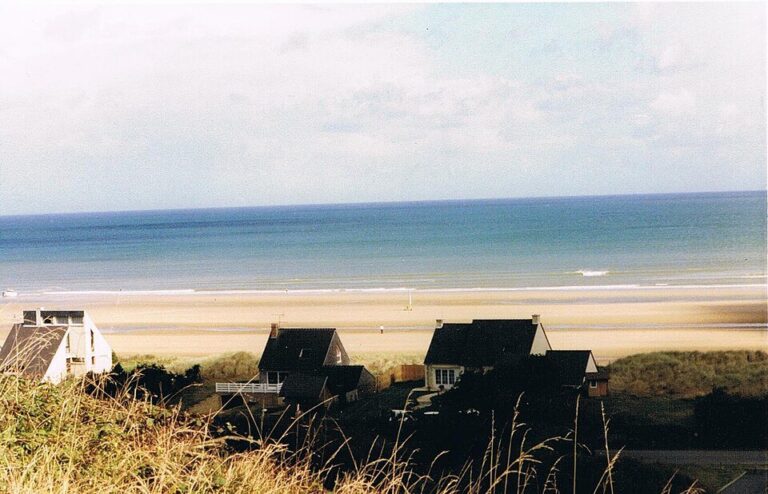
D-Day Landing Beaches
Sites and museums tracing the Allied landings of 6 June 1944. Allied troops landed on the beaches of western Calvados and the north-east of the Cotentin peninsula, in the Utah Beach, Omaha Beach, Gold Beach, Juno Beach and Sword Beach…
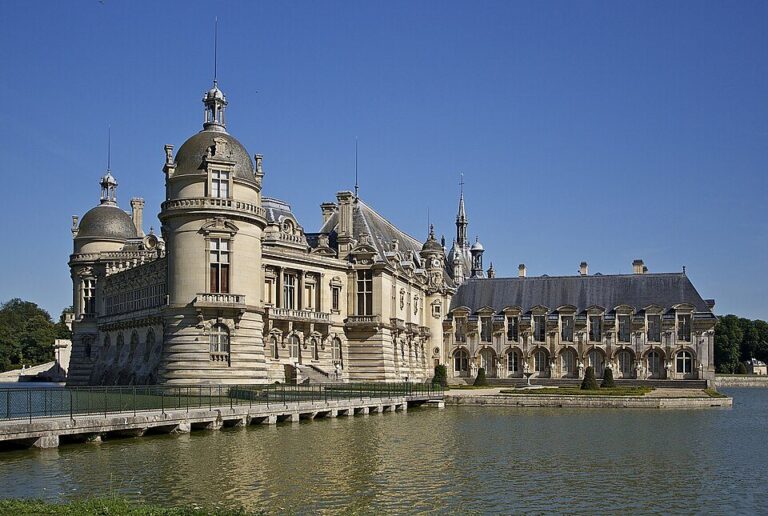
Château de Chantilly
A château housing the Musée Condé, one of the most important collections of old master paintings in France. The present château was rebuilt in the 19th century for Henri d’Orléans, Duke of Aumale, who installed his collections there before bequeathing…
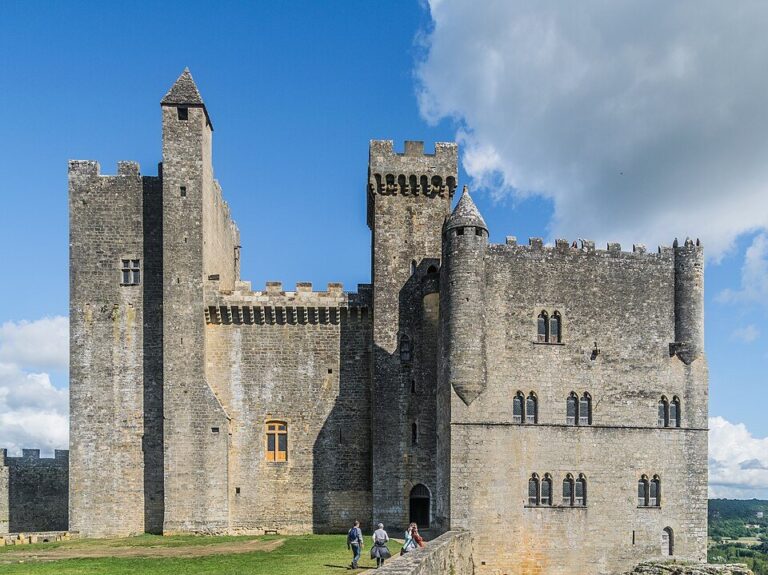
Château de Beynac
A medieval fortress perched above the Dordogne valley. Built from the 12th century by the barons of Beynac to lock down the valley, the château towers over the village of Beynac-et-Cazenac from a cliff that drops sheer to the Dordogne,…
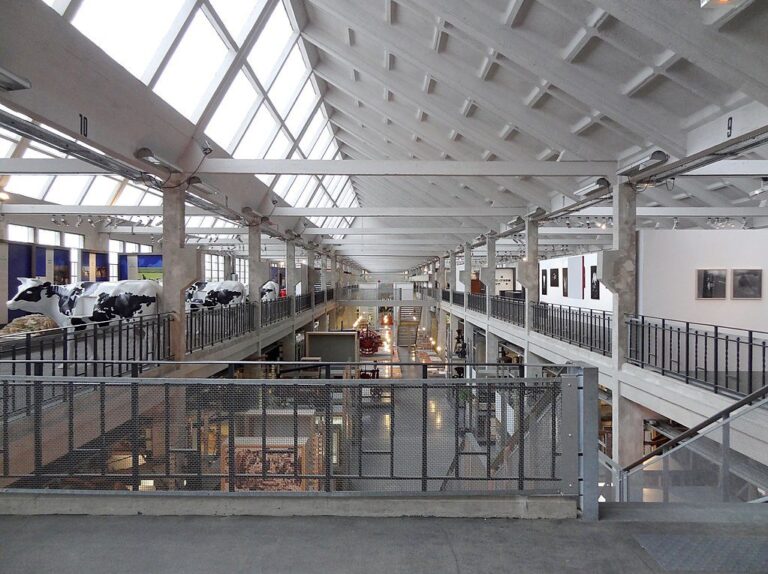
Cité Nature
An educational centre dedicated to food and the environment. Opened in 2005 at the northern entrance to Arras, this science museum focuses in particular on the secrets of food, science and nature. Housed in a converted former industrial site, it…
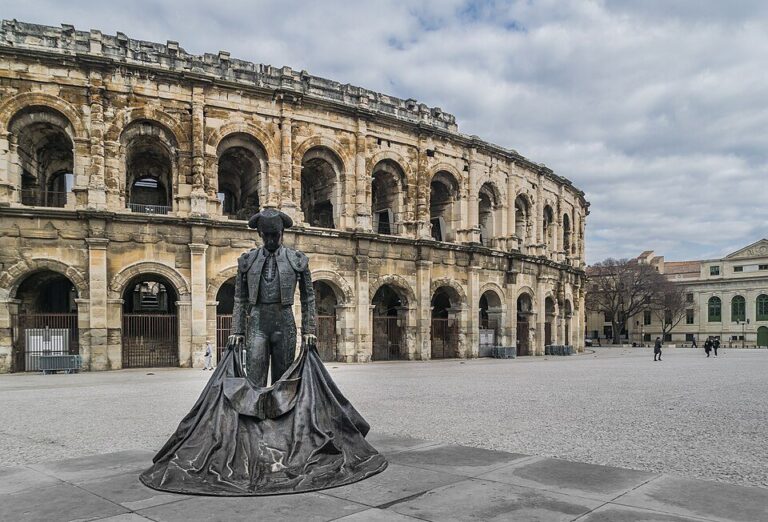
Arènes de Nîmes
One of the best-preserved Roman amphitheatres in the world. Built from around AD 90, at the end of the 1st century, to entertain the people of the colony of Nemausus, the Arènes de Nîmes became a fortified village during the…
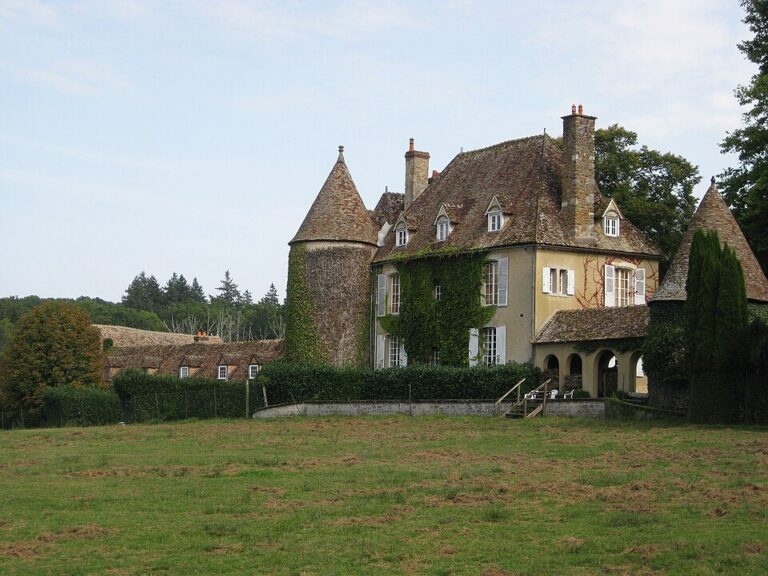
Parc animalier de Boutissaint
A 400-hectare park dedicated to European wildlife living in semi-freedom. Located in Puisaye, on the estate of the Château de Boutissaint, it was created in 1968 by Pierre-Elie Borione and was the first wildlife viewing park in France. The forest…
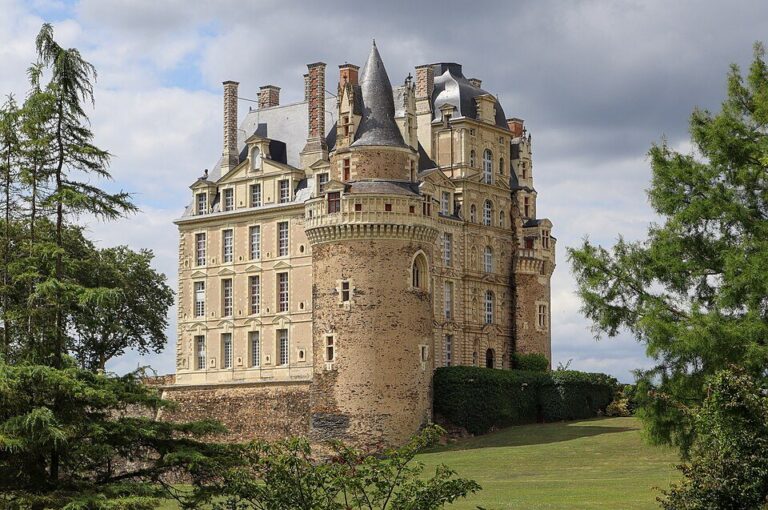
Château de Brissac
The tallest château in France, with seven storeys and 204 rooms. A former fortress of the Counts of Anjou built in the 11th century, Brissac has belonged to the Cossé-Brissac family since the 16th century and is still the residence…
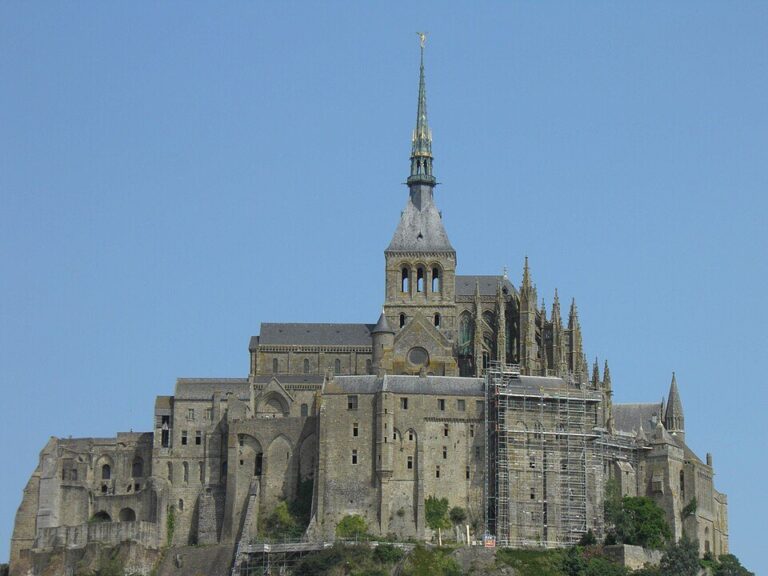
Abbaye du Mont-Saint-Michel
A medieval abbey built on a rocky islet, one of the most visited cultural sites in France. Founded in 966 with the arrival of Benedictine monks, the Abbey of Mont-Saint-Michel, in Normandy, is today run by the Monastic Fraternities of…
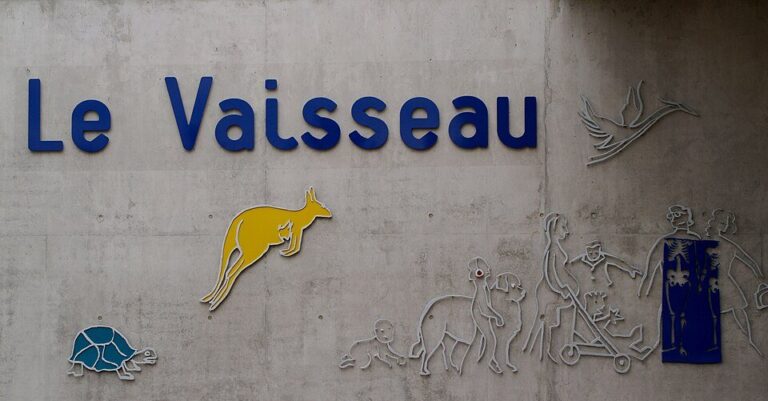
Le Vaisseau
An interactive science and technology centre designed for young visitors. Located in Strasbourg and run by the European Collectivity of Alsace, Le Vaisseau is aimed at children and young people aged 3 to 15, with the motto “Science through fun”.…
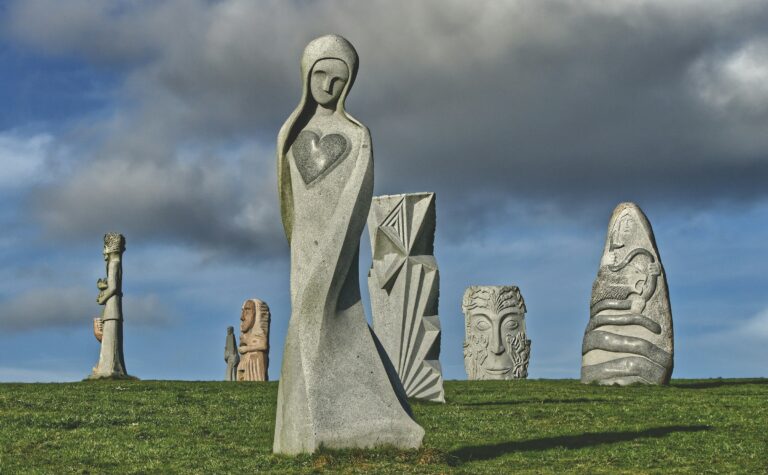
Vallée des Saints
Park of monumental sculptures inspired by the legendary Breton saints. Launched in 2008 by an association and inaugurated in 2012, the project covers the hill of Quénéquillec, in Carnoët, Côtes-d’Armor. Its long-term aim is to bring together statues of a…
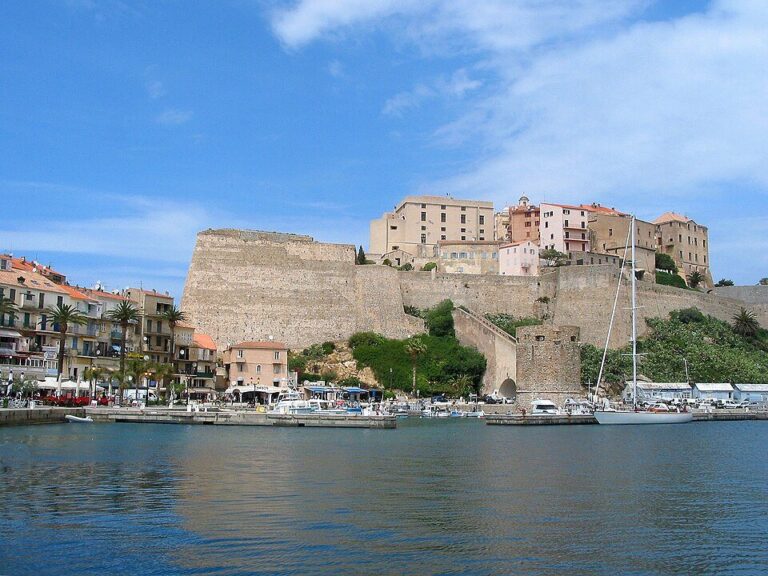
Citadelle de Calvi
A Genoese fortress overlooking the bay of Calvi. Built at the water’s edge, the citadel dates from the period of Genoese rule: its defences were strengthened from 1483, reinforced in 1545 and completed in the 17th century. The pediment above…
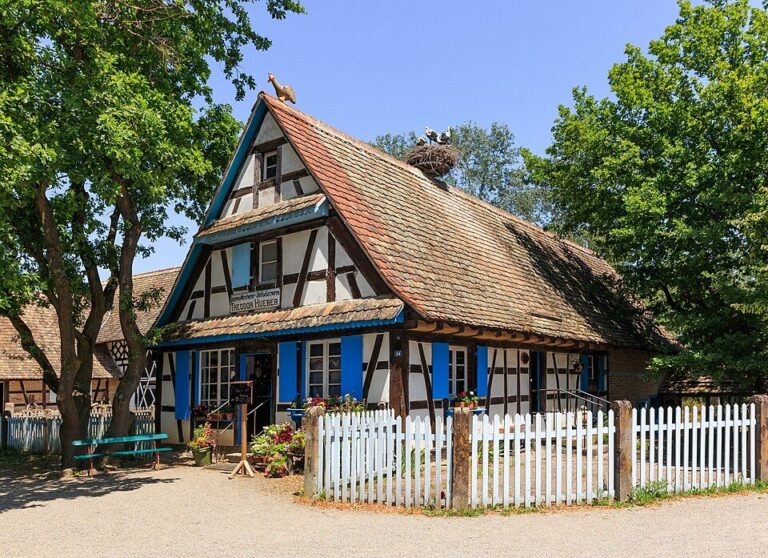
Écomusée d’Alsace
The largest open-air museum in France, the Écomusée d’Alsace forms a reconstructed Alsatian village in Ungersheim, in the Haut-Rhin. Authentic Alsatian buildings, some dating from the 15th century, were dismantled and rebuilt here: half-timbered houses, workers’ houses, a shop, a…
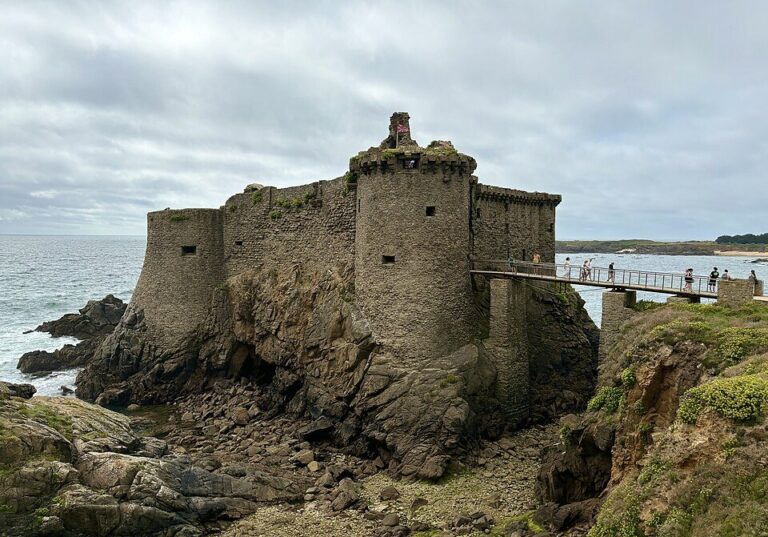
Île d’Yeu
An Atlantic island reached by boat, with wild coastlines and the port of La Meule. The Île d’Yeu forms the commune of L’Île-d’Yeu on its own, in the Vendée. Together with Noirmoutier and the Île du Pilier, it is one…
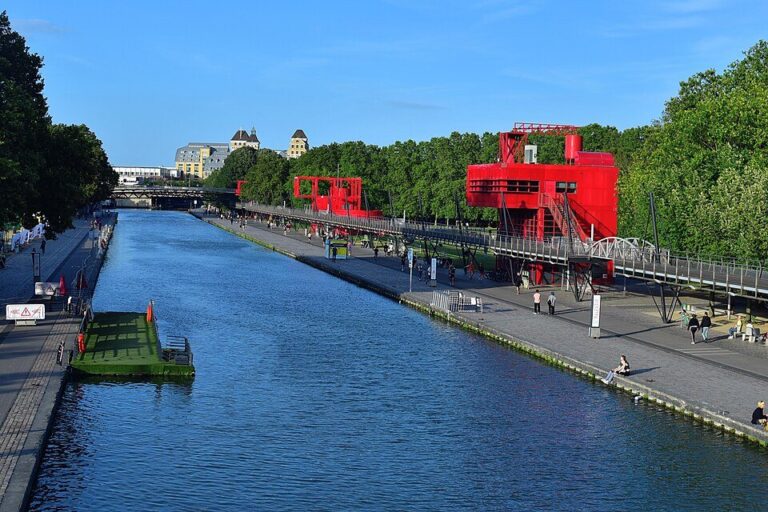
La Villette
A large cultural park in Paris, bringing together the Philharmonie, the Cité des Sciences and several performance venues. Opened in 1987 in the 19th arrondissement, the Parc de la Villette occupies the site of the former slaughterhouses built under Napoleon…
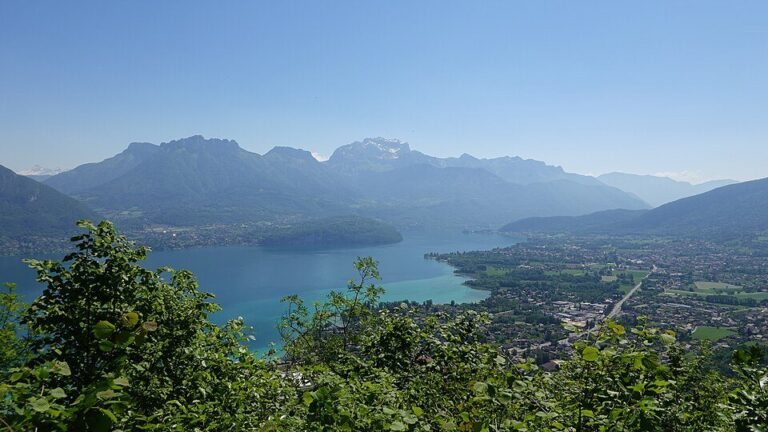
Cruises on Lake Annecy
Guided boat trip on Lake Annecy and past its lakeside villages. The second-largest lake of glacial origin in France, excluding the French part of Lake Geneva, it formed at the end of the last ice age, between the Bornes and…
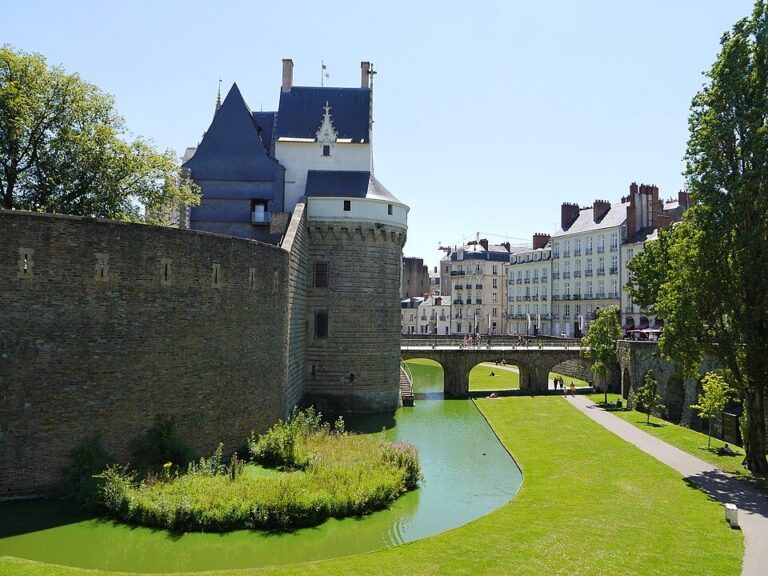
Château des ducs de Bretagne
A fortress and ducal residence housing the Nantes history museum. Built mainly in the 15th century, the Château des ducs de Bretagne became the main ducal residence of Brittany under Francis II. An edict signed at the château in 1532…