

Monuments, museums and history
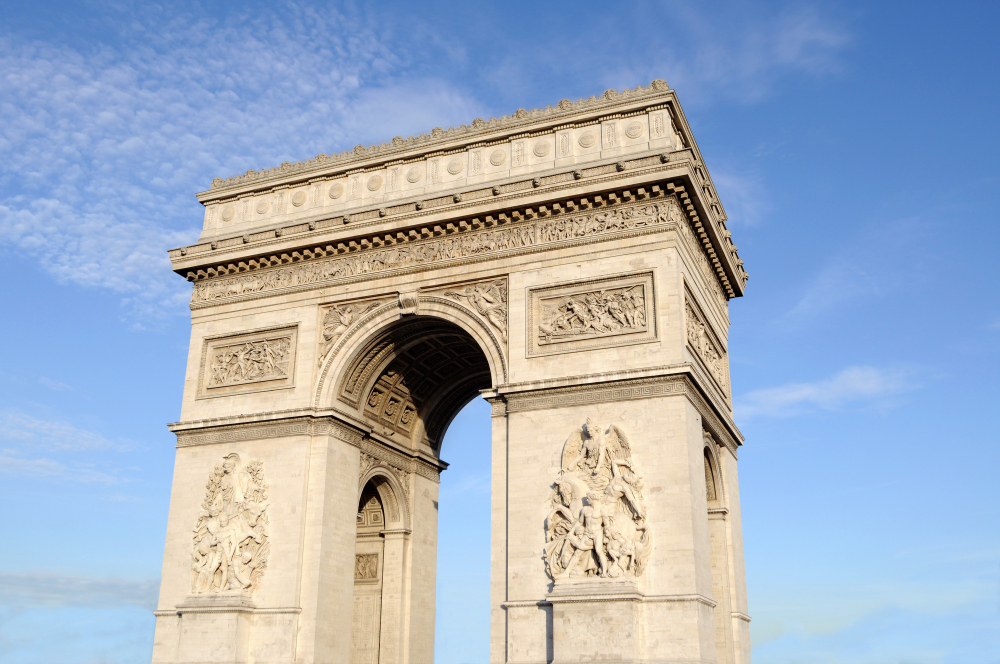
Looking for “monuments, museums and history” activities for your group? Discover a selection of sites and experiences suited to groups, to include in your programme: a sightseeing tour, a cultural getaway or a group outing. Guided tours, discoveries and leisure: find the experiences that match your wishes and your programme. Need help? Ask for advice.

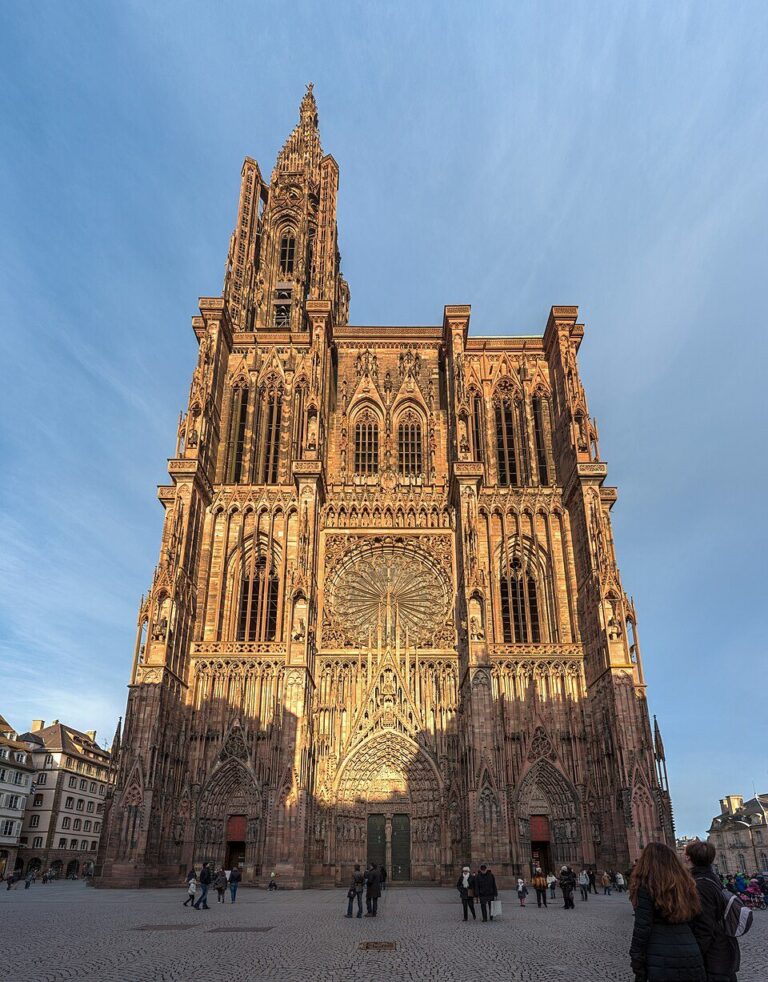
Cathédrale Notre-Dame de Strasbourg
A Gothic masterpiece in pink sandstone, famous for its astronomical clock. Founded in 1015 and built from 1220 onwards, Strasbourg’s Cathédrale Notre-Dame is recognisable by its single tower, topped by a spire added in 1439. At 142 metres, it was…
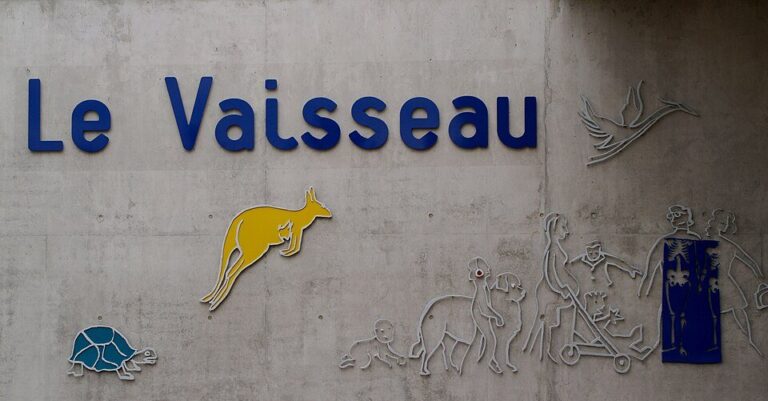
Le Vaisseau
An interactive science and technology centre designed for young visitors. Located in Strasbourg and run by the European Collectivity of Alsace, Le Vaisseau is aimed at children and young people aged 3 to 15, with the motto “Science through fun”.…
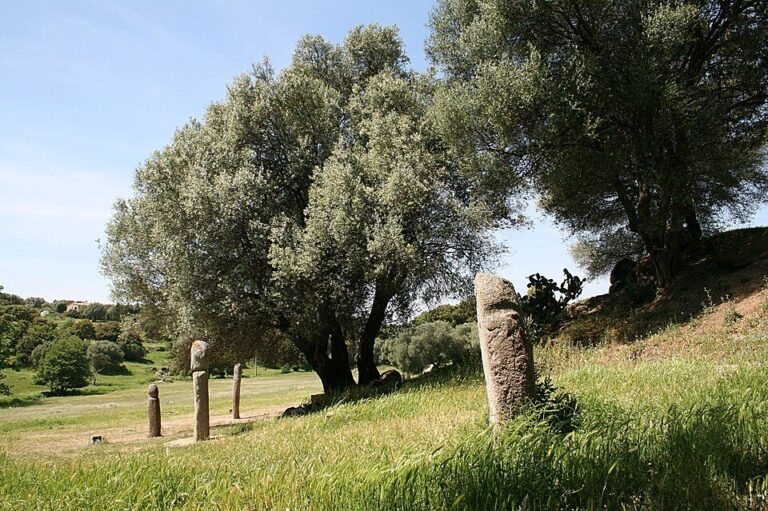
Filitosa Prehistoric Site
A major megalithic site in Corsica, famous for its statue-menhirs. Located in Sollacaro, in the Taravo valley, it was occupied from the Early Neolithic to the Middle Ages, but mainly during the Bronze Age. Reported in 1946, it was excavated…
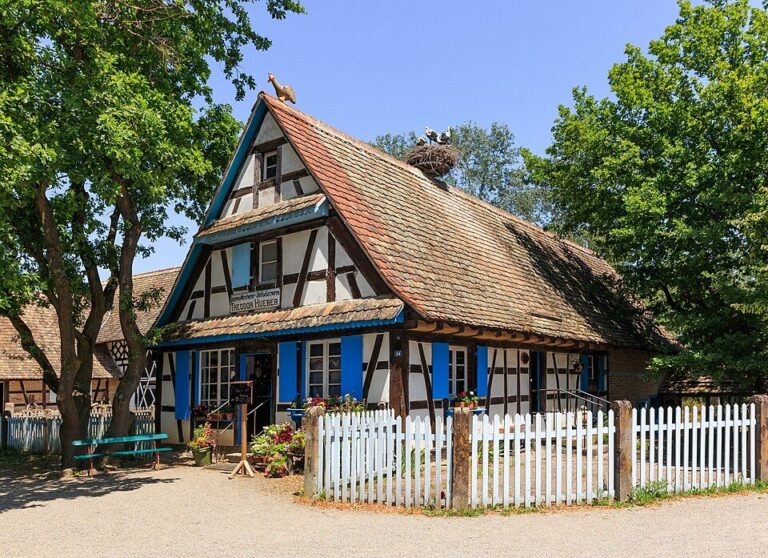
Écomusée d’Alsace
The largest open-air museum in France, the Écomusée d’Alsace forms a reconstructed Alsatian village in Ungersheim, in the Haut-Rhin. Authentic Alsatian buildings, some dating from the 15th century, were dismantled and rebuilt here: half-timbered houses, workers’ houses, a shop, a…
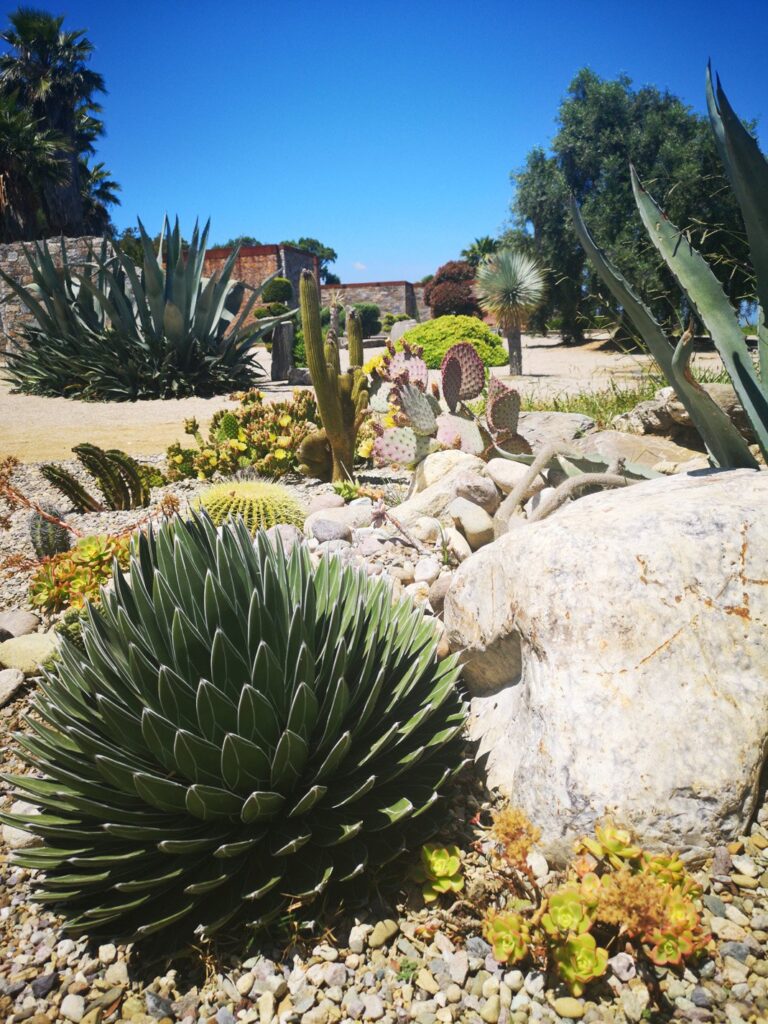
Parc Galea
Cultural park dedicated to Corsican heritage: museums, gardens and workshops. Parc Galea, in Haute-Corse, presents itself as a place that tells “the secrets of a Corsica open to the world”. Across some 9 hectares, museums housed in wooden or stone…
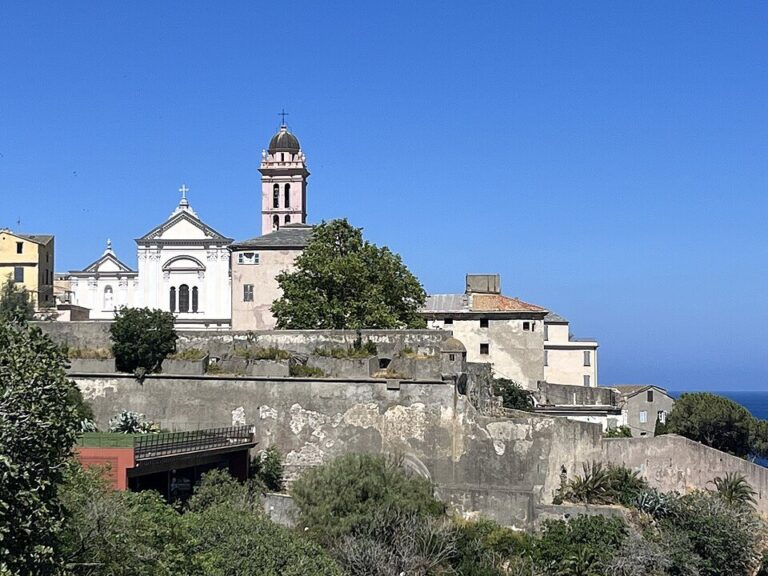
Citadelle de Bastia
The fortified historic heart of Bastia, the Citadel is home to the Palace of the Genoese Governors. Founded by the Genoese at the end of the 14th century on a rocky promontory overlooking the harbour, it forms the Terra Nova…
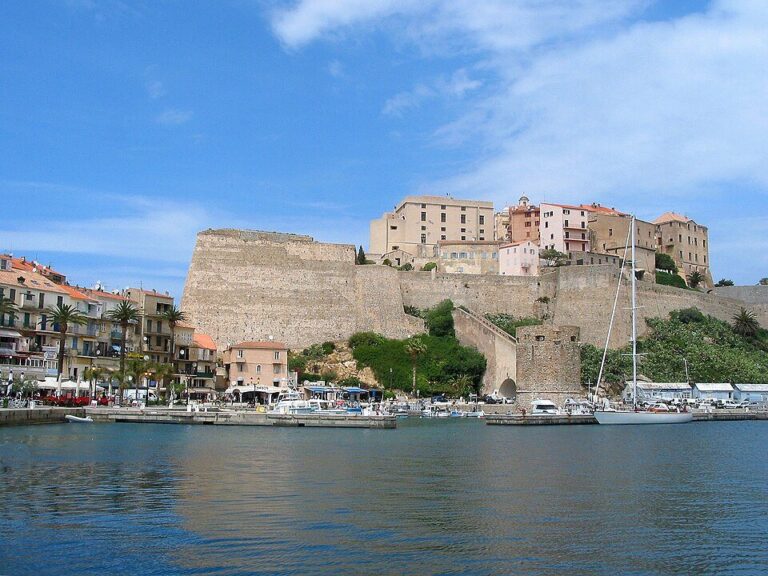
Citadelle de Calvi
A Genoese fortress overlooking the bay of Calvi. Built at the water’s edge, the citadel dates from the period of Genoese rule: its defences were strengthened from 1483, reinforced in 1545 and completed in the 17th century. The pediment above…
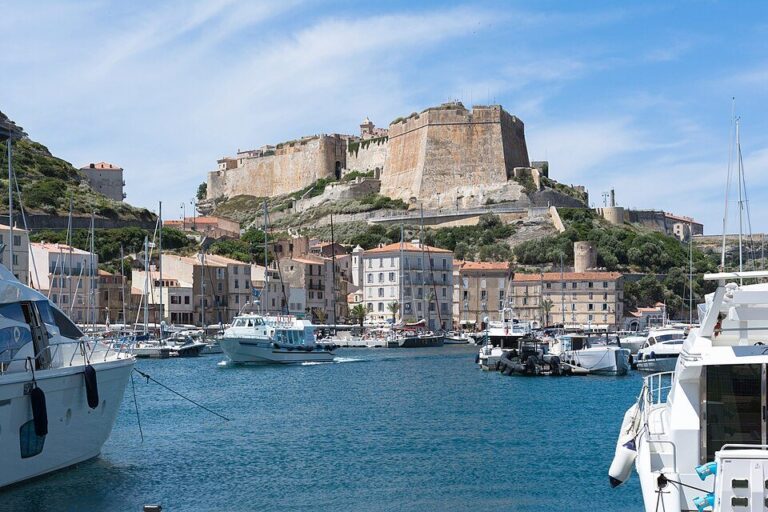
Citadelle de Bonifacio
A fortified upper town perched on white limestone cliffs. Built gradually from the 12th century onwards, the citadel protected Bonifacio, an important stronghold of the Republic of Genoa for its trade with Liguria and Sardinia and for control of the…
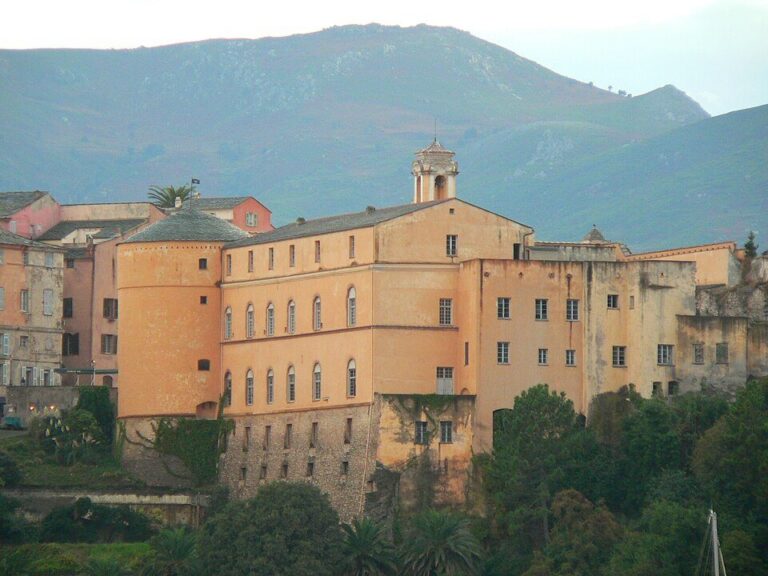
Musée de la Corse
An ethnographic museum dedicated to Corsican culture and traditions, the Musée de la Corse is housed in the citadel of Corte, in the centre of the island, halfway between Bastia and Ajaccio. It combines a museum of art and history…
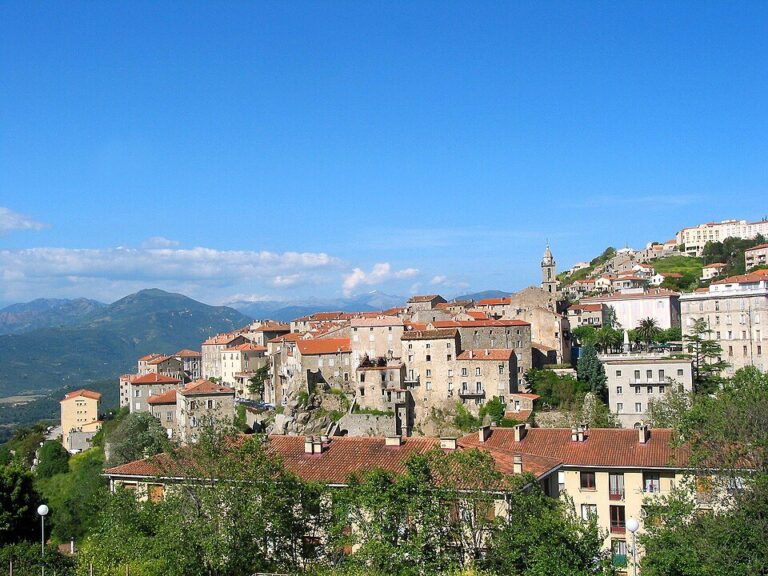
Village of Sartène
A monument town nicknamed “the most Corsican of Corsican towns”, in the words of Prosper Mérimée. A sub-prefecture of Corse-du-Sud and the capital of the Sartenais, Sartène rises like an amphitheatre on the slopes of Monte Rosso and overlooks the…
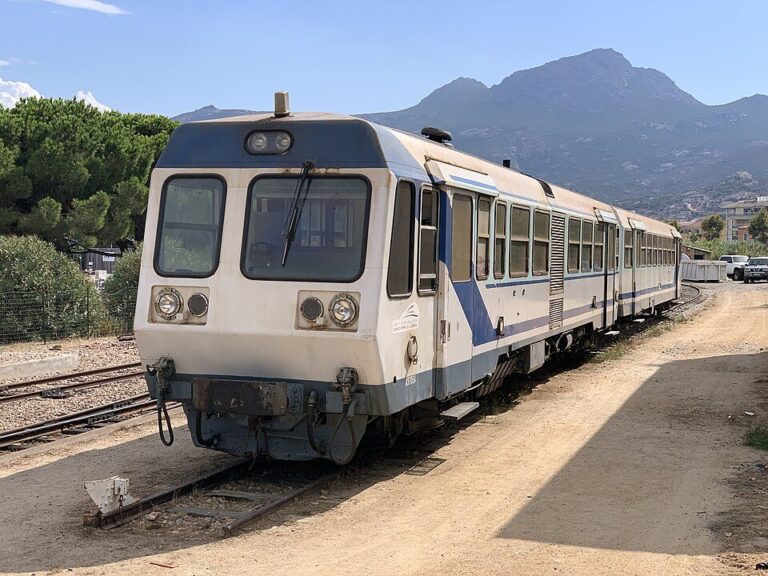
Corsica Railway
Crossing the island by train through mountains and maquis. The metre-gauge network is 232 km long and links four of Corsica’s main towns. Corsicans nickname it u Trinichellu, “the little train”. The main line runs 158 km from Bastia to…
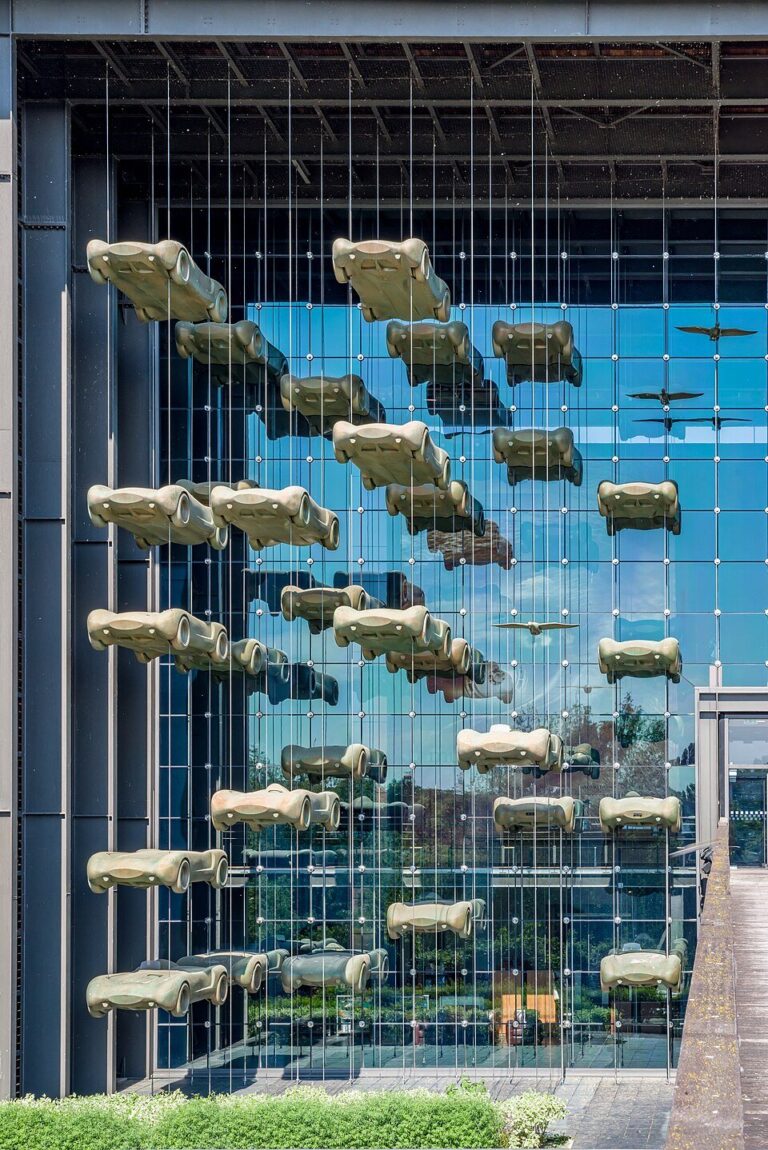
Cité de l’Automobile – Collection Schlumpf
The world’s largest car collection, with more than 500 vehicles. Officially named the National Automobile Museum – Schlumpf Collection, the museum occupies a former spinning mill of the Schlumpf brothers in Mulhouse, dating from 1880 and listed as a historic…
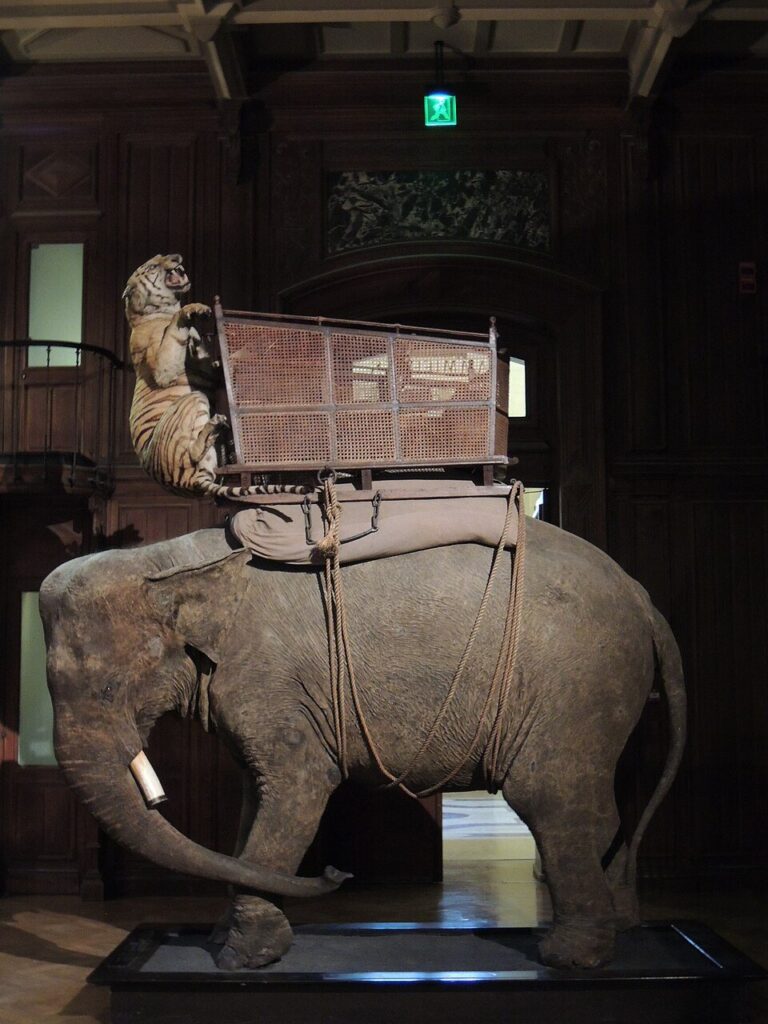
Muséum d’Orléans (MOBE)
The Muséum d’Orléans, formerly the Muséum d’Histoire naturelle d’Orléans, presents natural science collections and temporary exhibitions suitable for families. Opened in 1823, it was renovated between 2015 and 2021 and is now called the Muséum d’Orléans pour la biodiversité et…
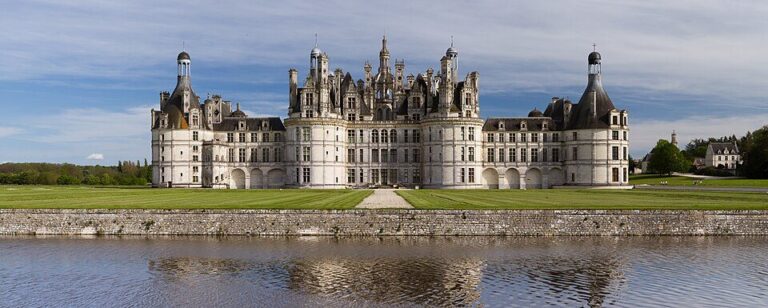
Château de Chambord
The largest of the Loire châteaux, Chambord is a masterpiece of the French Renaissance. Commissioned by Francis I, it was built between 1519 and 1547 at the heart of an enclosed forest park of about 50 km², surrounded by a…
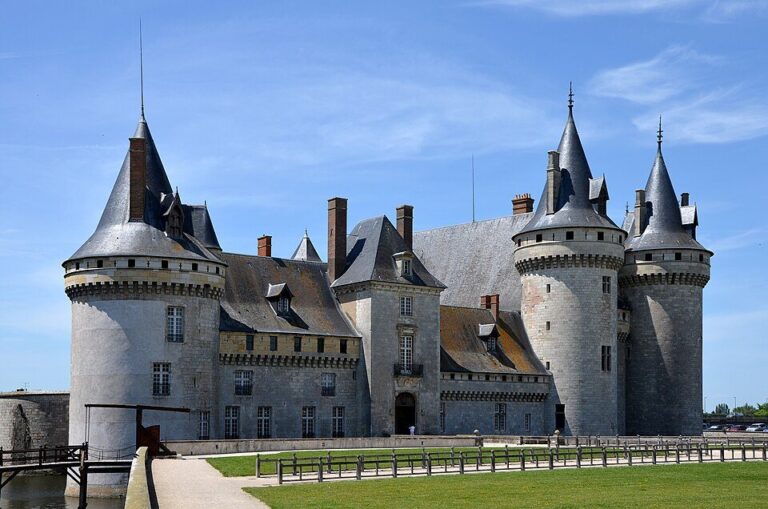
Château de Sully-sur-Loire
A medieval fortress on the Loire, once the residence of Sully. Construction of the present château began in 1396, to plans by Raymond du Temple, the king’s architect. In 1602, Maximilien de Béthune, the future Duke of Sully, became its…
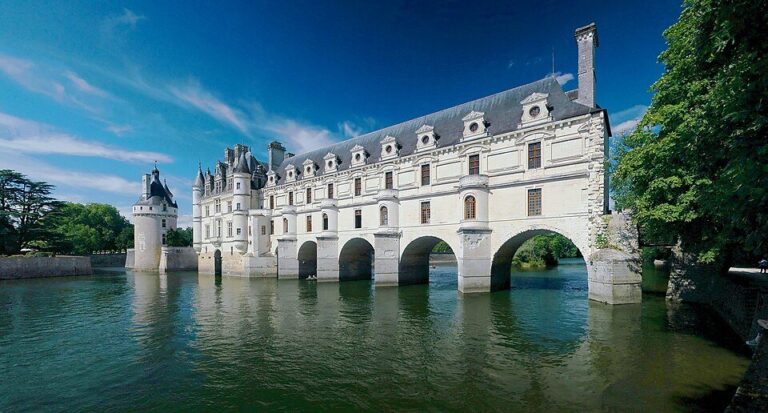
Château de Chenonceau
A château spanning the Cher, nicknamed the Ladies’ Château. Built from 1513 to 1521 by Katherine Briçonnet, it was enriched by Diane de Poitiers, who had a bridge built to the opposite bank, then enlarged under Catherine de’ Medici with…
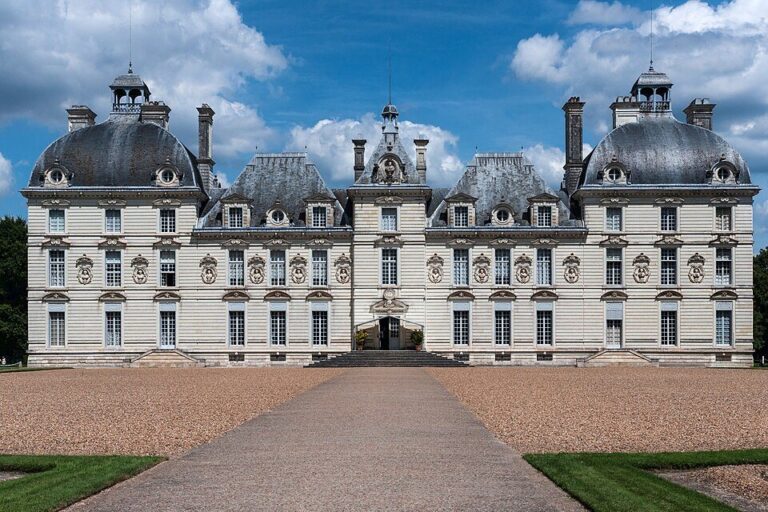
Château de Cheverny
A furnished classical château that inspired Hergé’s Marlinspike Hall. Built in the 17th century in a strictly classical style, the Château de Cheverny, in Sologne, is a listed historic monument. It is still the residence of the Marquis de Vibraye…
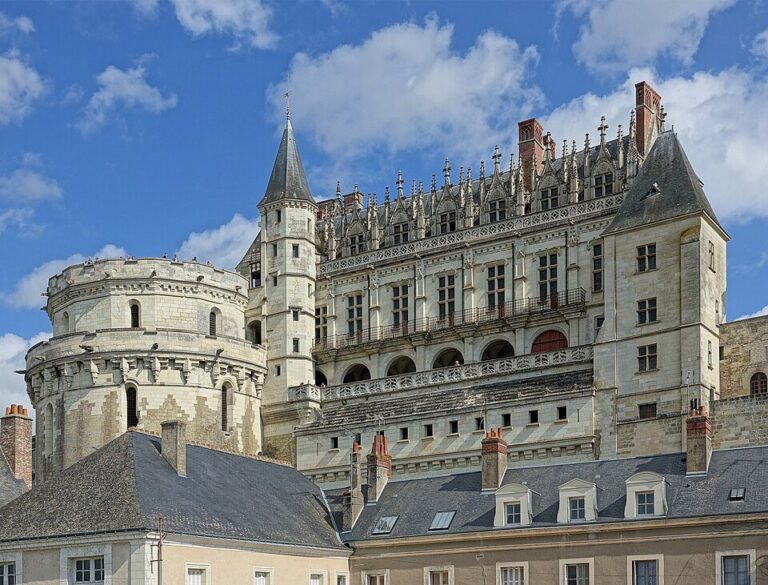
Château d’Amboise
A royal residence overlooking the Loire, linked to the last years of Leonardo da Vinci. Owned by the House of Amboise for more than four centuries, the château passed to the Crown in 1434. During the Renaissance it was home…
How does it work?
Find a tour
Thanks to our search tools, quickly find the right tour for your group.
Request a free quote
Fill in the quote request form directly on our website. Quick and easy!
Get a reply within 48 hours
Our team handles your request promptly: you will quickly receive a clear, detailed quote tailored to your group.